
 Easy Low Carb Recipes for Every Day
Simple, beginner-friendly low-carb meals for breakfast, lunch, and dinner.- 7-Day Low Carb Meal Plan for Beginners
Complete weekly blueprint with shopping list and portion guidance to kickstart your first week. - Low Carb Lifestyle DOs & DON’Ts
Common mistakes, recovery tips, and sustainable habits for low-carb success. - Low Carb Conversion Guide: Swap List
Exact food swaps to replace high-carb staples with low-carb alternatives. - How to Track Carbs & Macros (Beginner)
Step-by-step guide to tracking intake simply, without obsession.
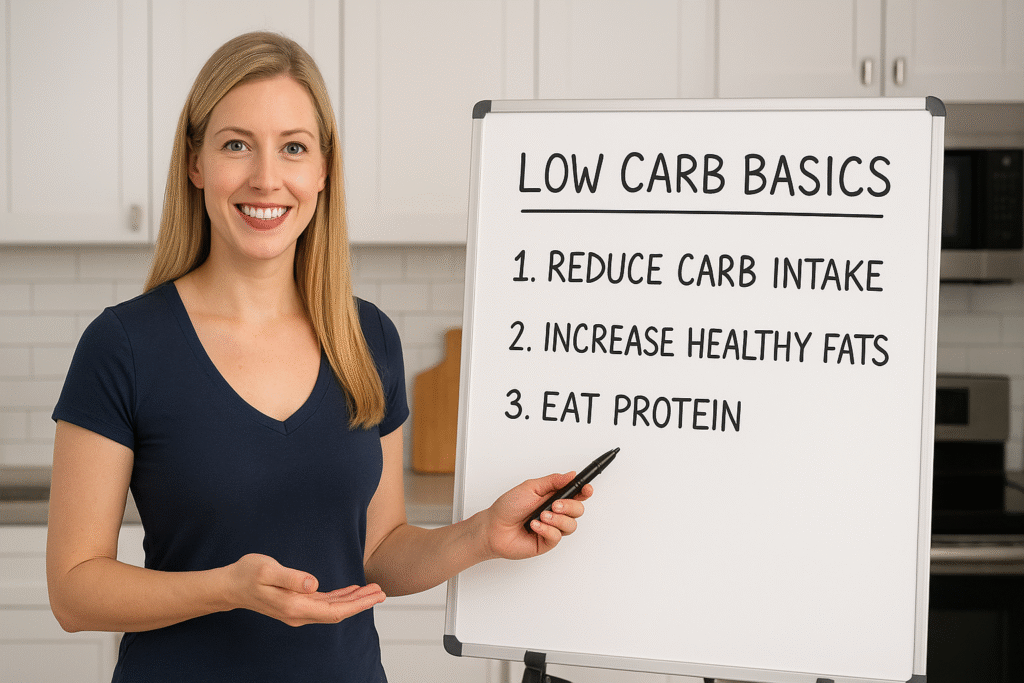
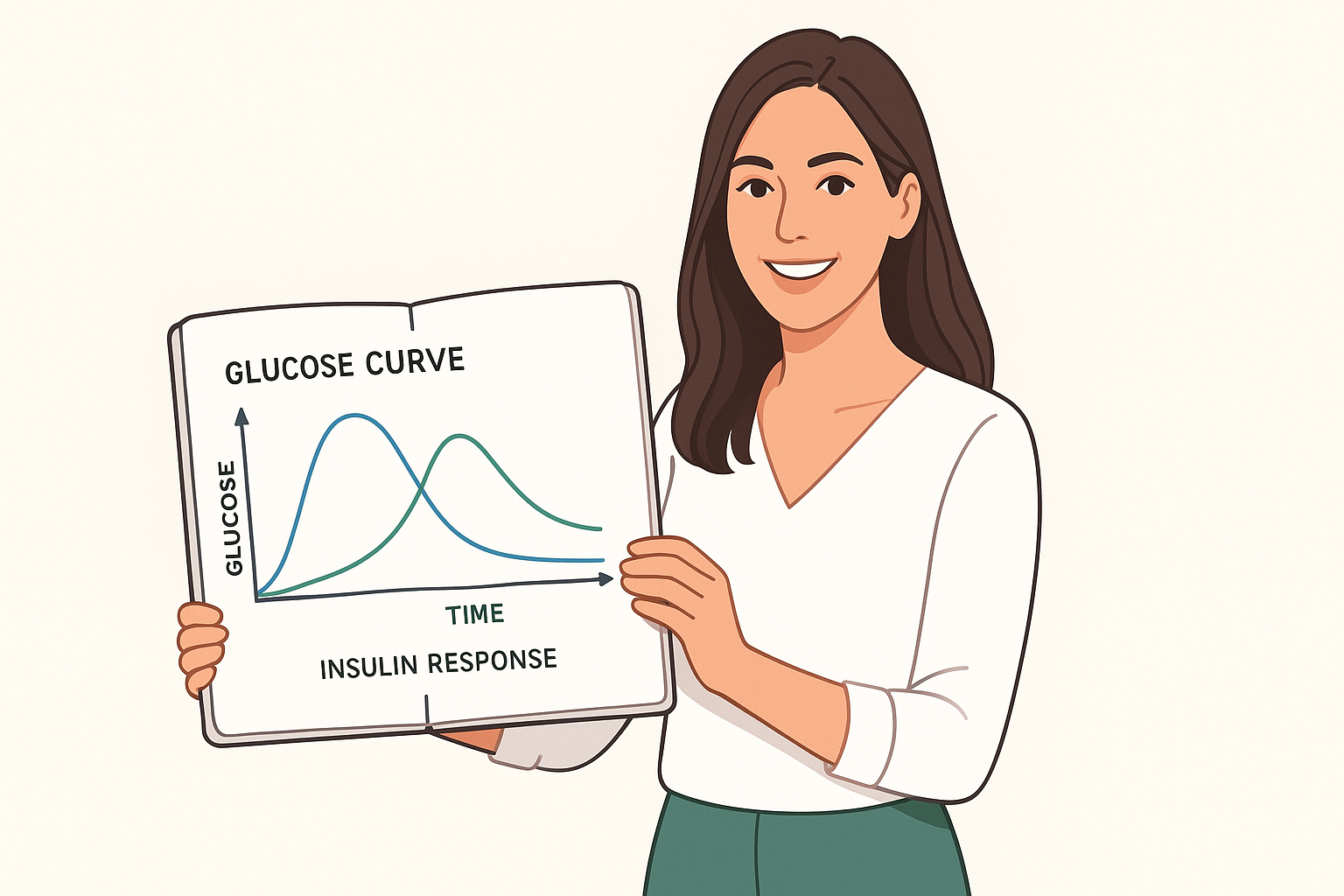
Starting a low carb lifestyle can feel confusing — but not anymore. In this category, you’ll discover simple, practical and beginner-friendly guidance that helps you understand the basics without stress. You’ll learn how low carb works in real life, how to make daily food choices, and how to avoid common mistakes. Everything here is designed to give you confidence, clarity, and motivation to stay consistent.
 How to start low carb the easy way — practical steps to begin your journey confidently.
 Everyday food swaps — simple replacements that instantly reduce carbs without sacrificing taste.
 Beginner meal ideas — inspiration for breakfast, lunch, and dinner you can actually make.
 Mistakes to avoid — stay motivated by skipping the common traps beginners fall into.
 How to stay consistent — simple habits that help you maintain low carb at home, work, and travel.






Q1: Is low carb safe for beginners?
 Yes — eat whole foods, balance protein and fats, hydrate properly.
Q2: How many carbs should I eat to start? Beginners often start between 50–120 g/day depending on goals.
Q3: Will I lose muscle on low carb? Not if you maintain enough protein and do resistance training.