Table of Contents
ToggleIntroduction: Why Beginners Feel Weak on a Low Carb Diet
Low carb weakness beginners guide explains why many people experience fatigue, dizziness, or low energy when they first reduce carbohydrates. Low carb fatigue causes often include electrolyte imbalance, sodium loss, potassium deficiency, and metabolic adaptation. Understanding these factors early helps beginners transition safely and confidently.
Many beginners start a low carb diet expecting fast weight loss and better energy, but instead feel weak, tired, dizzy, or mentally foggy. This experience is extremely common and, in most cases, completely temporary. Understanding why beginners feel weak on a low carb diet helps remove fear, prevent mistakes, and ensures the diet is followed safely.
Low carb weakness is not a sign that the diet is failing. It is a normal physiological response while the body shifts from using glucose as its primary fuel to using fat and ketones. Once this adaptation is complete, energy levels typically stabilize and often improve.
For further detail visit below link.
- Harvard Health: carb metabolism insights
Background: How the Body Uses Carbohydrates for Energy
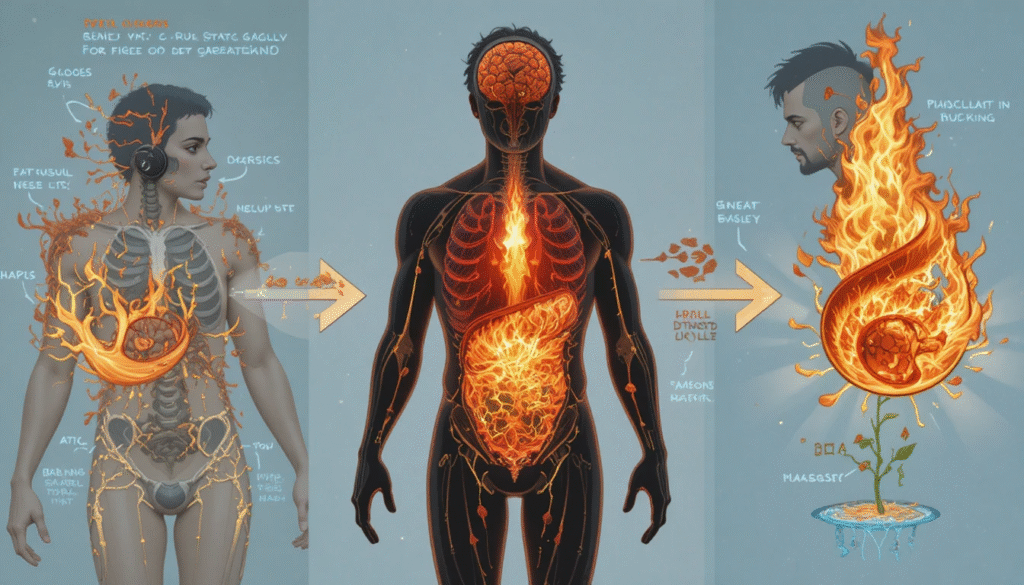
Carbohydrates are the body’s fastest energy source. According to Dr. David Ludwig (Harvard), reducing carbs forces the body to switch from glucose to fat and ketones. This transition phase causes temporary weakness as enzymes and hormones adapt.
Tip: Weakness here is adaptation, not failure. read more about here: NIH: ketogenic adaptation studies
Basics: Electrolyte Imbalance Is the #1 Cause

Low insulin levels cause kidneys to flush sodium and water. Dr. Stephen Phinney’s research confirms sodium, potassium, and magnesium loss is the primary cause of low carb fatigue.
Tip: Add 2–3g sodium daily. Visit Cleveland Clinic: for electrolyte balance
Electrolytes and Low Carb Weakness Explained Simply
Electrolytes are minerals that regulate nerve signals, muscle contraction, hydration, and blood pressure. On a low carb diet, electrolyte balance is critical.
Sodium: Low insulin causes kidneys to excrete sodium rapidly. Low sodium is the leading cause of dizziness and fatigue. Adding salt to meals is essential.
Potassium: Potassium supports muscle function and prevents cramps. Low carb-friendly sources include yogurt, spinach, avocado, and nuts.
Magnesium: Magnesium deficiency contributes to muscle weakness and poor sleep. It supports nerve function and energy production.
Drinking more water without replacing electrolytes can worsen symptoms, not improve them.
History: The Keto Flu Explained
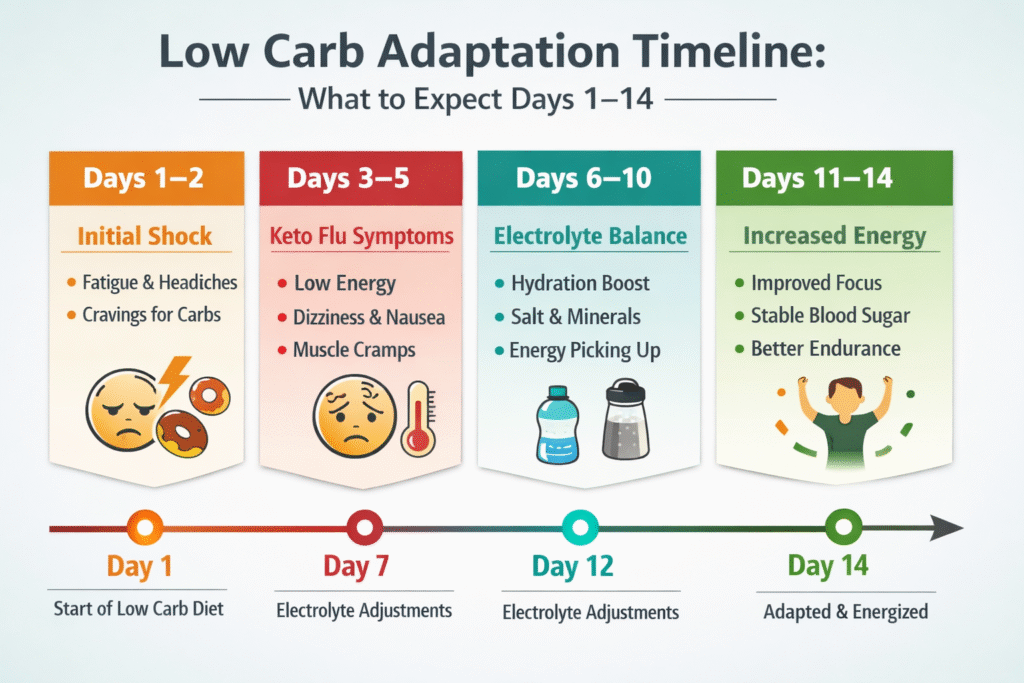
The term “keto flu” emerged from early ketogenic research in the 1920s. Symptoms peak days 3–7 and resolve naturally.
Understanding the adaptation timeline helps beginners avoid panic and unnecessary diet changes.
Days 1–3: Glycogen stores are depleted. Rapid water weight loss occurs. Fatigue, hunger, and headaches are common.
Days 4–7: Electrolyte loss increases. Weakness, dizziness, muscle cramps, and low blood pressure may appear if sodium and potassium are not replaced.
Days 8–14: Fat metabolism improves. Energy levels begin stabilizing. Mental clarity returns, and physical weakness gradually fades.
Most beginners feel significantly better by the end of week two when electrolytes are managed properly.
Other Causes: Not Eating Enough Calories

Beginners often cut carbs and calories. Dr. Jason Fung emphasizes adequate fat intake to prevent energy crashes.
Resources to Strengthen Your Low Carb Energy
Explore these guides to stabilize energy:
Basics to Low Carb Diet: explains adaptation phases
Understanding Daily Macronutrient Needs: prevents calorie errors
Low Carb Diet Mistakes to Avoid: common fatigue triggers
Practical Solutions to Prevent Weakness on a Low Carb Diet
Managing low carb weakness is simple when done correctly.
Add ½ to 1 teaspoon of salt daily, spread across meals
Drink water consistently, not excessively
Include potassium-rich low carb foods
Consider magnesium if cramps or fatigue persist
Avoid intense exercise during the first 7–10 days
Plain Greek yogurt is especially helpful because it provides protein, potassium, and sodium while remaining low in carbohydrates.
Who Should Be Extra Careful on a Low Carb Diet
Some individuals may experience stronger symptoms and should proceed cautiously:
People with low blood pressure
Diabetics using insulin or glucose-lowering medication
Manual laborers and athletes
Older adults
These individuals should prioritize electrolytes and consult a healthcare professional if symptoms persist.
For Deeper Understanding
Summary: Why Low Carb Weakness Is Temporary
Low carb weakness beginners guide shows fatigue is a short‑term adaptation, not a danger. Correct electrolytes, calories, and patience restore energy.
Continue Your Low Carb Learning
Food to Eat and Avoid Guide – builds energy safely
Meal Planning for Everyday Success – prevents fatigue
Advanced Tips for Low Carb Success – long‑term optimization
Restore Energy the Right Way
If weakness appears, adjust electrolytes—not quit. Download our free grocery list and meal plans to stabilize energy.
Frequently Asked Questions
Q1: How long does low carb weakness last?
Usually 3–14 days.
Q2: Is low carb weakness dangerous?
No, when electrolytes are managed.
Q3: Should beginners eat yogurt?
Yes, plain Greek yogurt supports electrolytes.
Q4: Can coffee worsen weakness?
Yes, without sodium.
Comments: Share Your Low Carb Experience
Have you felt weak starting low carb? Share your experience to help others transition confidently.