 What Are Low Carb Diet Types?
 What Are Low Carb Diet Types?
A low carb diet limits carbs and emphasizes proteins and healthy fats. The exact carb limit and food choices change by diet type — that is why we’ll look at each approach so you can choose the one that fits your schedule and taste.
Tip: Track your carb intake easily with the Carb Manager App — perfect for low carb beginners!
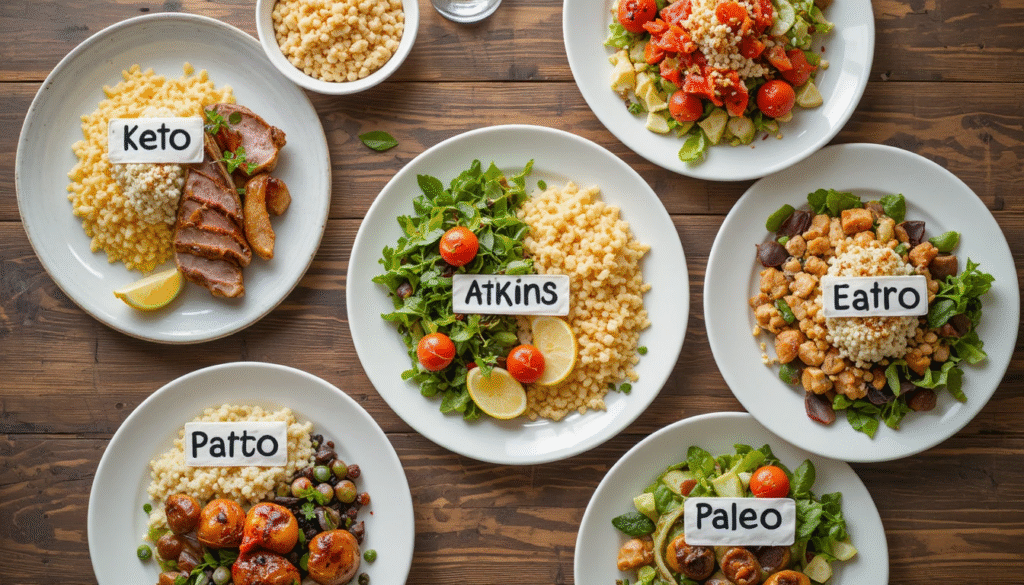

 The Standard Low Carb Diet

The Ketogenic (Keto) Diet

 The Ketogenic (Keto) Diet
  Try Keto Electrolyte Powder to stay hydrated and avoid “keto flu.”

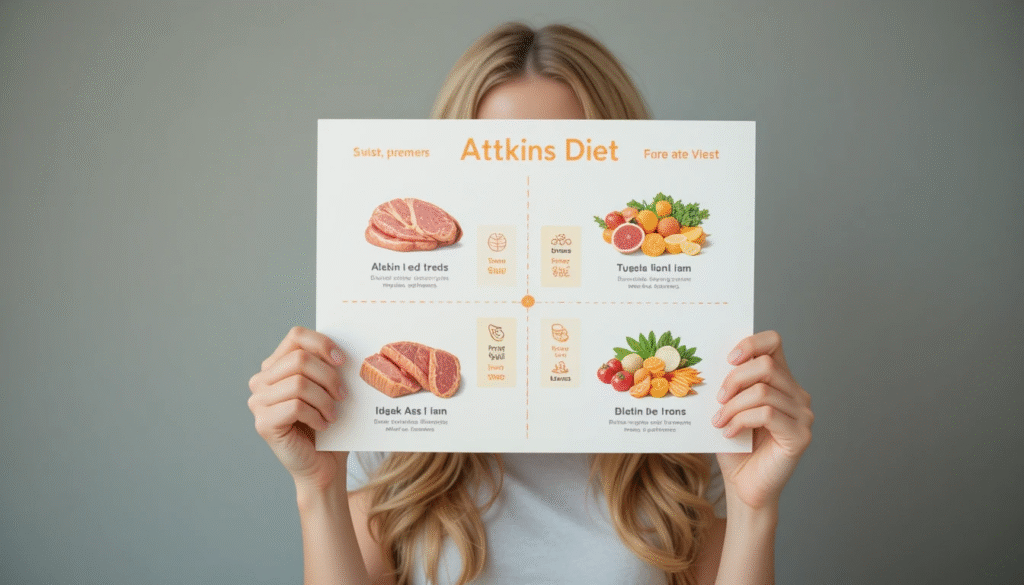
The Atkins Diet
 Check Atkins-approved Snack Bars for quick, low carb bites.
The Paleo Diet
 The Paleo Diet
 Try Paleo-Friendly Protein Powder to stay fueled post-workout.

The Eco-Atkins Diet
 The Eco-Atkins Diet
 Explore Plant-Protein Supplements for eco-friendly low carb nutrition.

 Use BCAA Workout Fuel to boost recovery during carb cycling.


Common Mistakes to Avoid
 Common Mistakes to Avoid
 Shop Magnesium and Electrolyte Capsules — essential for balanced energy.

Summary — Finding Your Perfect Low Carb Match
 Summary — Finding Your Perfect Low Carb Match
 Explore our Top Low Carb Starter Bundle to make your transition easy.

 Previous Chapter: Understanding Daily Macronutrient Needs
 Next Chapter: Food To Eat & Avoid