

Chapter 2:- The Science Behind Low Carb Diet for Beginners
Introduction
Low carb diets have become one of the most researched eating plans in the world. But why do they work? Understanding the science behind low carb diets is the first step to making them sustainable. In this chapter, we’ll break down how your body responds to carbs, proteins, and fats, and why reducing carbs often leads to better energy, weight loss, and long-term health.
🧬 Understanding the Science
Low-carb diets work on a very simple principle: reduce carbohydrate intake, force the body to burn fat for energy instead of sugar. When you eat carbs (bread, rice, sugar, pasta), your body converts them into glucose. Glucose spikes blood sugar, and your body releases insulin to move that sugar into your cells.
👉 The problem? High insulin = more fat storage.
By lowering carbs, your insulin levels stay stable, and your body shifts into a fat-burning state called ketosis.
🔑 Key Mechanisms Behind Low Carb
Lower Blood Sugar & Insulin
Less carbs = less glucose in your blood.
Lower insulin means your body can tap into stored fat more easily.
Ketosis
When carbs drop below ~50g/day, the liver produces ketones from fat.
Ketones fuel your brain and body efficiently.
Reduced Cravings & Appetite
High-carb foods spike blood sugar and cause crashes → cravings.
Low-carb stabilizes energy, making you naturally eat less.
Metabolic Advantage
Studies show low-carb eaters burn slightly more calories at rest compared to high-carb eaters.
🩺 What Research Says
Weight Loss: Numerous studies (Harvard, NIH) confirm low-carb diets lead to faster weight loss than low-fat diets in the first 6 months.
Diabetes: Low-carb diets improve blood sugar control and reduce the need for medications in type 2 diabetes.
Heart Health: Triglycerides go down, HDL (“good cholesterol”) goes up.
📌 Note: Always consult your doctor before making drastic diet changes.
👉 Don’t miss the next chapter where we’ll explore “Potential Risks & Misconceptions” to ensure you avoid common mistakes.
1. How Carbohydrates Affect Your Body
Carbohydrates are your body’s primary energy source, but eating too many—especially refined carbs—can cause blood sugar spikes and insulin resistance over time. When this happens, the body tends to store more fat, particularly around the belly.
Lorem ipsum dolor sit amet, consectetur adipiscing elit. Ut elit tellus, luctus nec ullamcorper mattis, pulvinar dapibus leo.
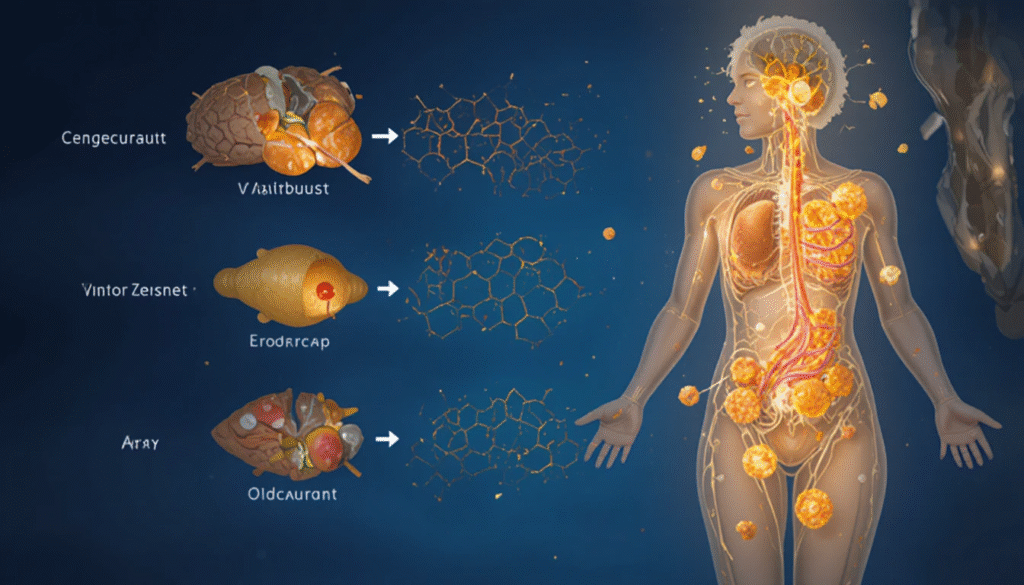
🖼 Illustration of how carbohydrates break down into glucose and affect insulin levels in the body.
2. The Role of Insulin and Fat Storage
When you eat carbs, insulin signals your cells to absorb glucose. But constant high-carb intake makes your cells less sensitive to insulin (insulin resistance). This leads to fat storage and energy crashes. By lowering carbs, your insulin levels remain steady, and your body begins to use stored fat as fuel.
🔗 For a deeper natural approach, check out Circo2 Nitric Oxide Booster, which supports better blood flow and oxygen delivery, making workouts and fat burning more effective.
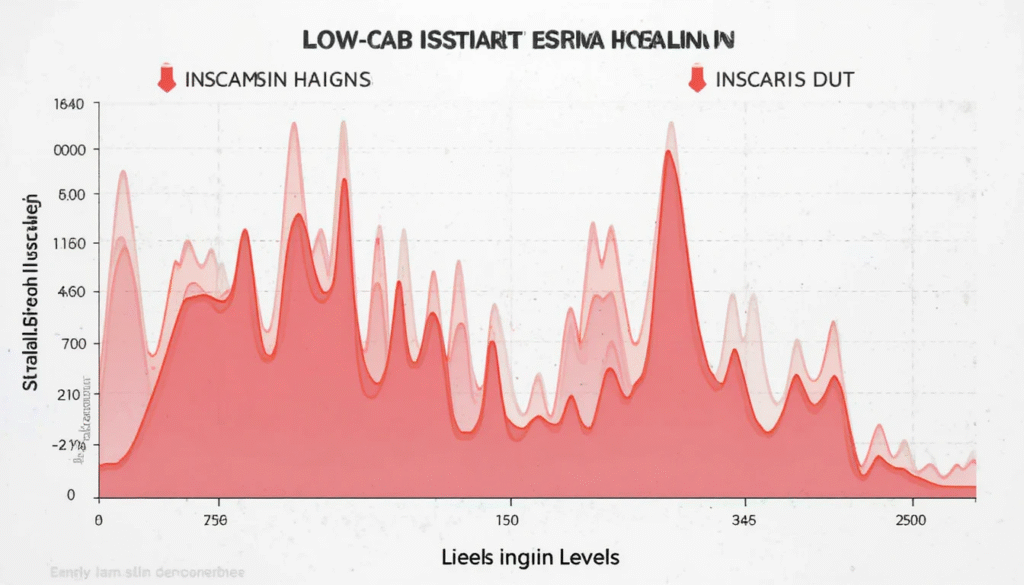
“Graphic of insulin levels spiking after high-carb meals vs. stable insulin levels in a low-carb diet.”
3. Protein: The Key Metabolic Driver
Protein not only builds muscle but also increases satiety and burns more calories during digestion compared to carbs and fats. That’s why in a balanced low carb diet plan, protein intake is carefully measured.
Daily requirement: 0.8 – 1.2 grams per kg of body weight (for a healthy adult).
Example: A 70 kg (154 lbs) person needs around 56–84 grams of protein per day.
🔗 Explore the Advanced Amino Formula — it delivers essential amino acids that help meet daily protein needs without overloading on food.
“Healthy foods rich in protein like chicken breast, eggs, fish, tofu, and beans arranged on a wooden table.”
4. Ketosis: The Science of Burning Fat for Fuel
When carbs are limited (typically under 50g per day), your body switches to ketosis — burning fat for energy instead of glucose. This process creates ketones, which not only fuel the body but also provide stable energy for the brain.
🔗 To support brain performance during ketosis, consider The Genius Wave, which is designed to boost focus and cognitive clarity.
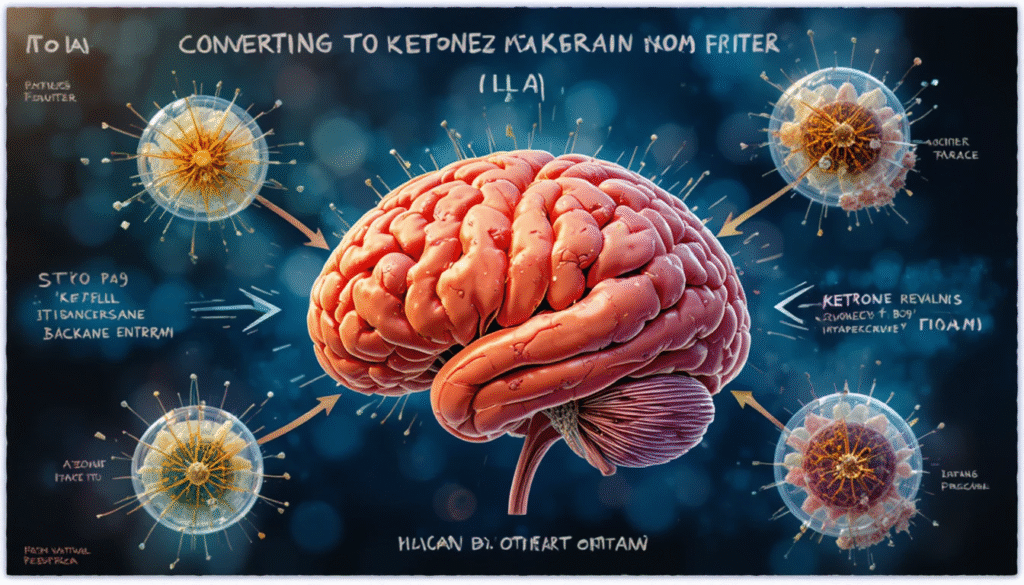
“Diagram showing fat cells converting to ketones for brain and body energy.”
5. Low Carb & Heart Health
Studies show that low carb diets can improve HDL (good cholesterol) and reduce triglycerides. This lowers the risk of cardiovascular disease — a major health concern in the USA
🔗 Learn more with the Healthy Heart Solution Kit, a resource-packed program to strengthen heart health naturally.
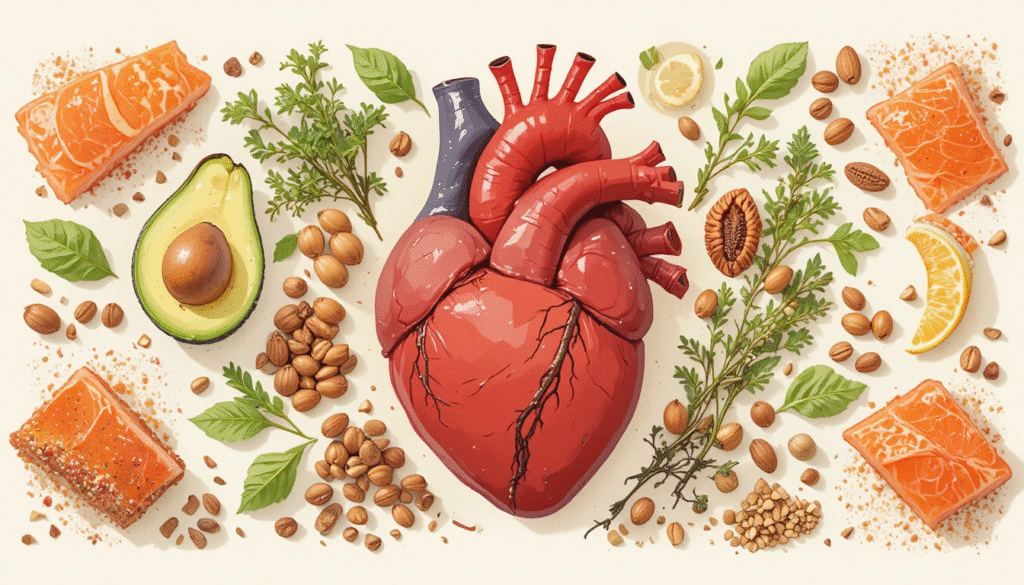
“Healthy human heart illustration surrounded by low carb foods like avocado, nuts, and salmon.”
6. Hormones, Energy, and Longevity
A low carb lifestyle doesn’t just change your waistline — it reshapes your body chemistry. Lower insulin levels reduce fat storage and inflammation, while improved leptin sensitivity helps your brain accurately gauge hunger and fullness. At the same time, reduced blood sugar swings stabilize cortisol, the body’s stress hormone, promoting calmer moods and better sleep.
This hormonal balance translates into sustainable energy, sharper focus, and even potential longevity benefits. Studies suggest that stabilizing insulin and glucose levels may slow cellular aging and protect mitochondria — the energy engines of your cells. In short, low carb eating supports a more youthful metabolism and lasting vitality.
🛒 Support healthy hormone function and energy with HGH Activator — designed to enhance recovery and promote natural vitality.
Lorem ipsum dolor sit amet, consectetur adipiscing elit. Ut elit tellus, luctus nec ullamcorper mattis, pulvinar dapibus leo.
"visualization of healthy cells glowing under a microscope, symbolizing reduced inflammation.”
7. Real-Life Application (Science Meets Practice)
Understanding the science is one thing — living it day-to-day is another. The beauty of a low carb approach lies in how easily the research translates into real life. By reducing processed carbs and focusing on proteins, vegetables, and healthy fats, you allow your body to maintain steady energy levels without the mid-day crashes caused by blood sugar spikes.
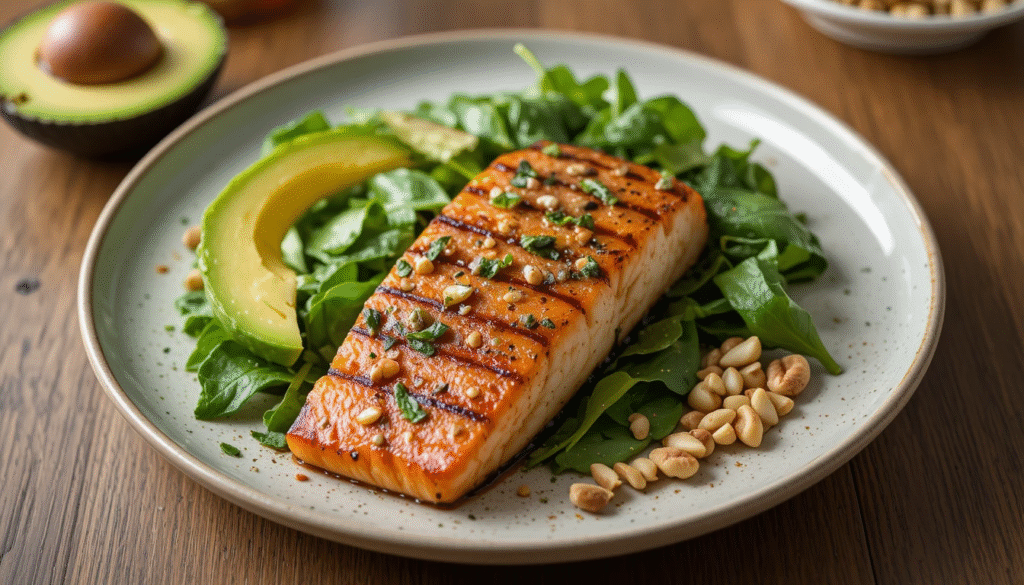
In practical terms, this means replacing refined bread with eggs or Greek yogurt at breakfast, choosing grilled chicken or fish with leafy greens for lunch, and skipping sugary drinks for water or herbal tea. Over time, these consistent choices reshape your metabolism and support long-term fat loss — the same principles proven in scientific studies.
Lorem ipsum dolor sit amet, consectetur adipiscing elit. Ut elit tellus, luctus nec ullamcorper mattis, pulvinar dapibus leo.
“A realistic plate showing grilled salmon, spinach, avocado slices, and nuts — a perfect low carb meal.”
✅ Key Takeaways (SEO Keywords Included)
The science of low carb diets explains why reducing carbs leads to fat loss.
Stable blood sugar and insulin levels are central to weight management.
Ketosis is a natural fat-burning state.
Balanced protein intake fuels energy and muscle growth.
Low carb diets improve heart health, metabolism, and hormones.
👉 Now that you understand the science, don’t miss the next chapter: Potential Risks & Misconceptions of Low Carb Diets. This will prepare you to avoid mistakes and stay consistent.
Did you enjoy this chapter? Explore related guides and tools: